
For military personnel, law enforcement teams, and outdoor professionals, shoulder straps are more than a carrying component. They are one of the main contact points between the user and a loaded tactical system.
When a tactical backpack, plate carrier, or equipment platform is carried for hours, concentrated pressure, heat buildup, and restricted movement can quickly become uncomfortable. Tactical shoulder straps with air-cell padding offer another approach: instead of relying only on fixed foam, inflatable air cells can provide flexible cushioning and pressure distribution.
In this guide, we look at how air-cell technology can improve tactical shoulder strap comfort, what buyers should evaluate, and where inflatable shoulder padding can fit into modern tactical equipment.
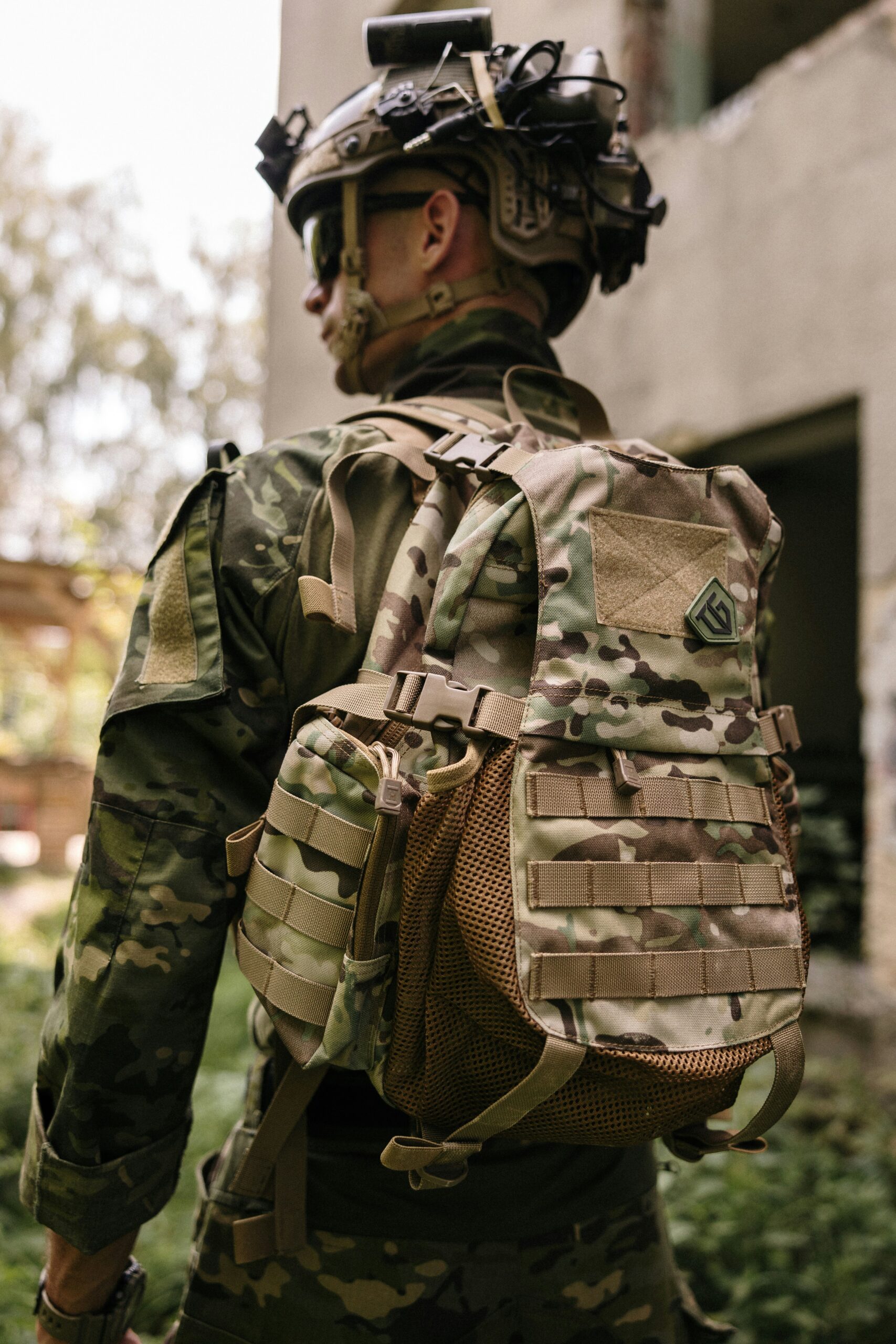
Why Tactical Shoulder Straps Matter
Heavy tactical loads create continuous pressure around the shoulders. Traditional foam padding can provide useful cushioning, but its compression behavior is largely fixed once the product is designed.
An air-cell system works differently. Individual air cells can flex under load and help spread pressure across a larger contact area. This can make the shoulder interface feel more adaptable as the user changes posture, moves, or carries different equipment loads.
For equipment manufacturers, this also creates opportunities to develop shoulder straps around comfort, weight, adjustability, and application-specific performance rather than simply increasing foam thickness.
How Air-Cell Padding Works
An inflatable tactical shoulder strap uses interconnected or segmented air cells inside the padding structure. Air provides the cushioning medium, while the outer construction controls the shape, durability, and contact surface.
The practical goal is not to make the strap as soft as possible. Instead, the system should provide controlled support while reducing concentrated pressure points. Inflation can also be adjusted according to the user’s preferred feel and the application.
Key Features to Evaluate
When sourcing or developing tactical shoulder straps, buyers should look beyond the appearance of the padding. The following elements can affect the real-world performance of the finished product.
1. Air-Cell Structure
The size, layout, and flexibility of the air cells influence how pressure is distributed. A segmented structure can provide more localized flexibility than a single large air chamber.
2. Breathable Construction
Tactical users may carry equipment in hot or humid environments. Mesh or ventilated outer materials can help reduce the feeling of heat and moisture buildup at the shoulder contact area.
3. Adjustable Fit
Shoulder straps need to work with different body shapes, clothing layers, and equipment configurations. Adjustment points and buckle systems should allow the user to position the load correctly.
4. Durable Materials
Military and outdoor applications can expose shoulder straps to abrasion, repeated loading, dirt, and demanding field conditions. The air-cell component therefore needs to work together with a durable outer construction.

Inflation and Comfort Adjustment
One advantage of inflatable padding is that the user can tune the cushioning level rather than relying on one fixed compression characteristic.
A typical hand-pump system allows air to be added when more support is required and released when a different cushioning feel is preferred. The exact pressure should depend on the product design, user preference, and application rather than simply inflating the system to its maximum capacity.

Where Tactical Air-Cell Shoulder Straps Can Be Used
- Tactical backpacks and load-carrying packs
- Military and law-enforcement equipment
- Plate carriers and protective equipment
- Heavy-duty outdoor and expedition backpacks
- Industrial and occupational load-carrying systems
- OEM and ODM equipment programs requiring customized padding
Why Air-Cell Technology Is Worth Considering
For equipment brands, inflatable shoulder padding can provide a different product-development direction from conventional foam. The technology can be adapted around pressure distribution, flexible support, lightweight construction, and user-adjustable comfort.
It can also support product differentiation. Instead of competing only on fabric, appearance, or foam thickness, brands can build a more functional story around the interaction between the load, the shoulder, and the air-cell cushioning system.
What Should Buyers Ask a Manufacturer?
Before starting an OEM or ODM project, buyers should confirm the air-cell structure, material construction, inflation method, valve design, dimensions, durability requirements, sample process, and customization options.
It is also useful to test the complete shoulder strap rather than evaluating the inflatable component alone. The outer fabric, stitching, adjustment system, air-cell layout, and connection points all influence the final user experience.
Final Takeaway
Tactical shoulder straps are becoming more than simple padded straps. With air-cell technology, manufacturers can explore a more flexible approach to pressure distribution and long-duration carrying comfort.
For tactical gear brands looking for new cushioning solutions, inflatable shoulder padding can be considered for both existing product upgrades and new OEM/ODM designs.
Explore more JFTSHOK content about inflatable shoulder pads, air cushion vs. foam shoulder pads, and JFTSHOK AirPad technology.