
Choosing the right tactical shoulder pads is not simply a matter of adding more foam. For body armor, plate carriers, tactical backpacks, and heavy-duty load-bearing equipment, the shoulder area has to manage pressure, heat, movement, and long-duration wear at the same time.
For equipment brands and distributors, the better question is: what shoulder-pad structure matches the load, application, and user requirements? This guide explains the main design factors and where inflatable air-cell technology can fit into modern tactical equipment.
What Should Tactical Shoulder Pads Actually Do?
A shoulder pad sits between the user’s body and the load-bearing strap or vest structure. Its basic job is to create a more comfortable interface while maintaining enough stability for movement.
A well-designed tactical shoulder pad should consider four factors:
- Pressure distribution: reduce concentrated pressure from narrow or heavily loaded straps.
- Ventilation: create pathways that can reduce the feeling of heat and moisture buildup during extended wear.
- Flexibility: move with the shoulder rather than becoming a rigid obstruction.
- Weight and thickness: add useful cushioning without unnecessarily increasing the bulk of the equipment.
Foam, Mesh, Gel, or Air Cells?
Traditional foam remains common because it is simple, familiar, and easy to manufacture. Mesh structures can improve airflow, while gel materials can provide a different cushioning response.
Air-cell shoulder pads take a different approach. Instead of relying only on a solid cushioning material, they use interconnected or segmented air chambers to create a flexible cushioning layer.
The practical difference is important for tactical equipment: an air-cell structure can be engineered around the areas where pressure is concentrated, while the surrounding structure can remain flexible for movement.
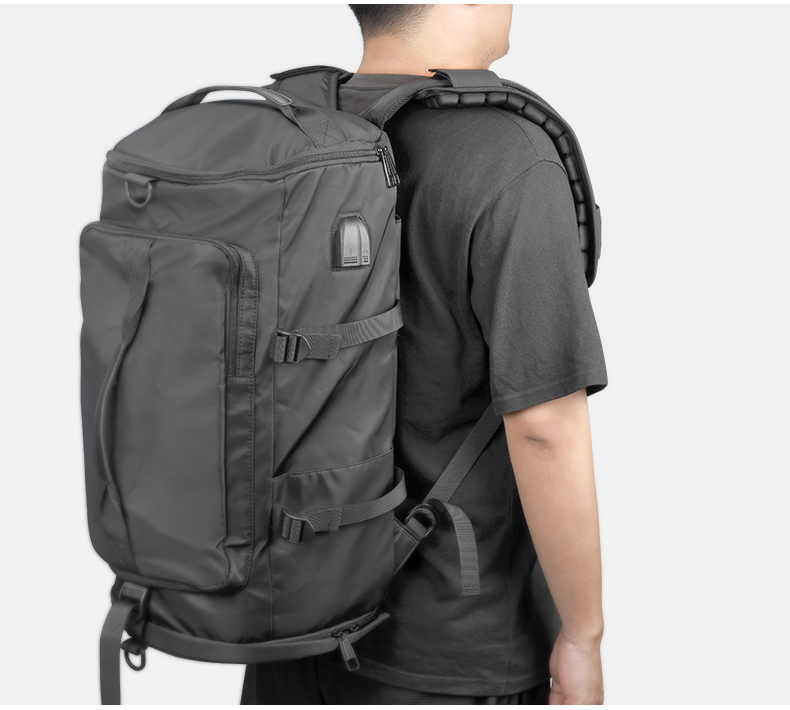
How Air-Cell Tactical Shoulder Pads Work
Inflatable shoulder pads use air as the cushioning medium. When the pad is loaded, the air chambers deform and redistribute part of the applied pressure across a wider contact area.
The result depends on the chamber geometry, material, inflation level, thickness, and how the pad is integrated into the shoulder strap. This means an inflatable pad should be treated as an engineered component rather than simply an “air bag.”
For OEM projects, these variables can be adjusted according to the application. A shoulder pad intended for a lightweight tactical backpack may require a different structure from one designed for a plate carrier or heavy-duty load-bearing system.
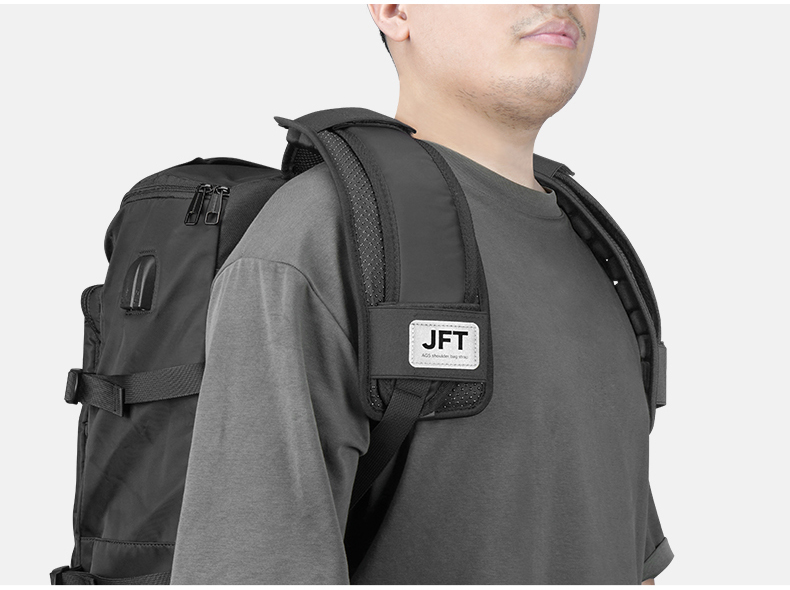
5 Factors to Check When Selecting Tactical Shoulder Pads
1. Intended Load
Start with the actual equipment load. A lightweight backpack, tactical pack, plate carrier, and body-armor system do not create the same shoulder pressure. The pad structure should be selected according to the expected load and wearing duration.
2. Shoulder Strap Width
The pad should match the strap geometry. If the cushioning layer is much narrower than the strap, pressure can remain concentrated at the edges. If it is too wide, it may interfere with movement or attachment points.
3. Airflow and Contact Surface
For long-duration use, surface design matters as much as cushioning. Ventilation channels, air-cell spacing, material selection, and the outer fabric can all influence the contact environment between the user and the equipment.
4. Inflation and Adjustability
One advantage of inflatable technology is that the cushioning response can be tuned through air pressure. The correct inflation level depends on the product design and intended use; more inflation is not automatically better.
5. Integration and Manufacturing
For brands developing a new product, the shoulder pad must work with stitching, webbing, buckles, hook-and-loop attachment, outer fabrics, and the existing backpack or vest architecture.
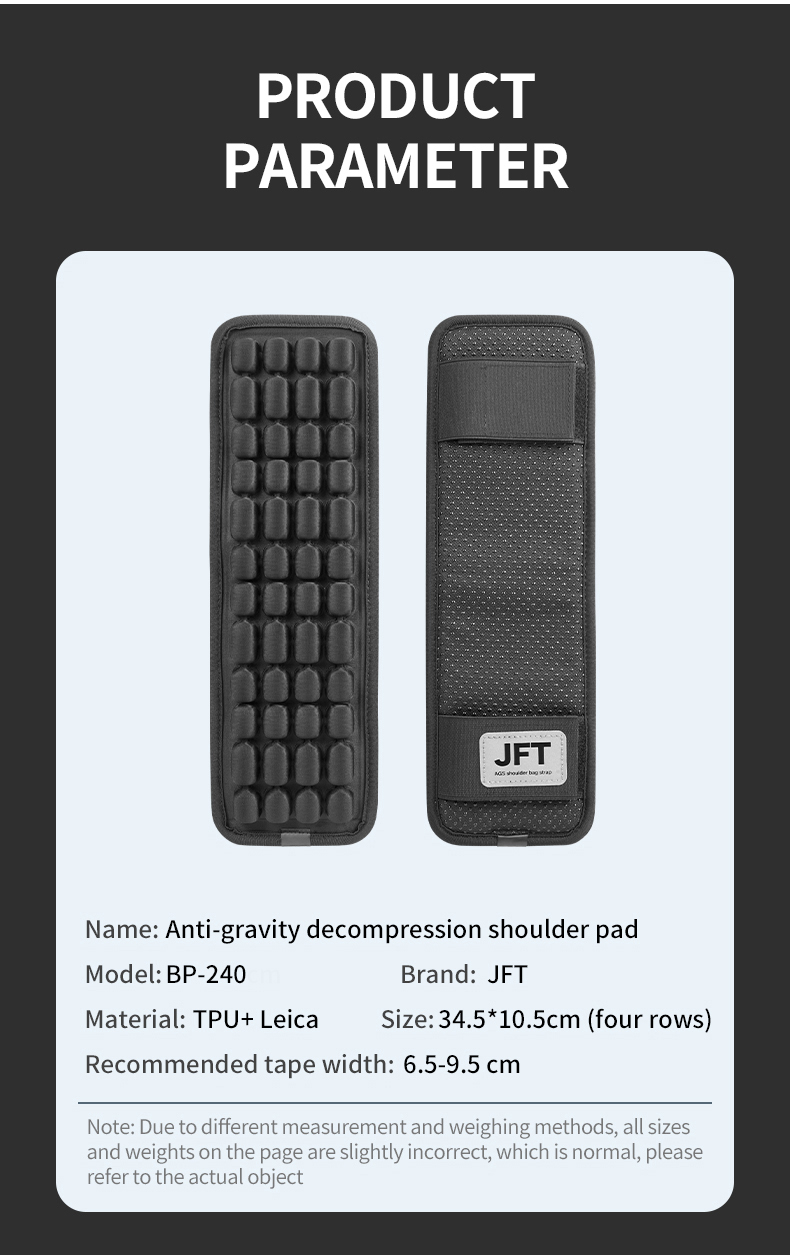
Where Tactical Air-Cell Shoulder Pads Can Be Used
Air-cell cushioning can be considered for a range of load-bearing products, including:
- Tactical backpacks and assault packs
- Plate carriers and body-armor carriers
- Heavy-duty shoulder straps
- Law-enforcement equipment
- Military and outdoor load-bearing equipment
- Industrial and work backpacks
- Premium consumer backpacks that require enhanced shoulder comfort
The appropriate construction depends on the final application. For professional equipment, factors such as durability, environmental resistance, attachment method, dimensional requirements, and testing should be defined before mass production.
Why OEM/ODM Buyers Should Evaluate the Pad as a System
For an equipment manufacturer, changing only the padding material may not deliver the expected result. The strap width, air-cell geometry, foam or mesh surrounding the air layer, fabric, stitching, and attachment method all influence the final performance.
This is why an OEM/ODM development process should begin with the complete use case: expected load, wearing time, target user, available installation space, target dimensions, and required appearance.
JFTSHOK develops inflatable air-cushion and air-cell components that can be adapted for different product structures. For brands developing tactical backpacks, shoulder straps, body-armor accessories, or other pressure-relief applications, custom structure and product integration can be discussed during the development stage.
Quick Selection Checklist
Before choosing a tactical shoulder pad, ask:
- How heavy is the typical equipment load?
- How many hours will the product normally be worn?
- Where are the main pressure points?
- Is ventilation a major requirement?
- What strap width and attachment method are available?
- Does the product need a fixed or adjustable cushioning response?
- Will the component need OEM dimensions, branding, or packaging?
Final Takeaway
The best tactical shoulder pad is not necessarily the thickest one. It is the one whose cushioning structure, airflow, flexibility, dimensions, and attachment system match the equipment and the way it will actually be used.
For applications where pressure distribution, low-profile cushioning, and flexible air-cell structures are important, inflatable technology offers another design option beyond conventional foam and mesh.
Looking for an OEM/ODM tactical air-cell shoulder pad? Share your target application, strap width, approximate load, dimensions, and expected order volume with JFTSHOK to discuss a suitable structure.