
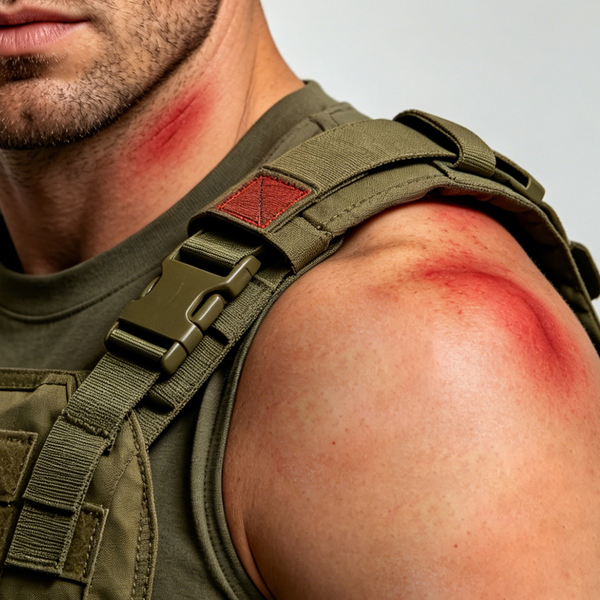
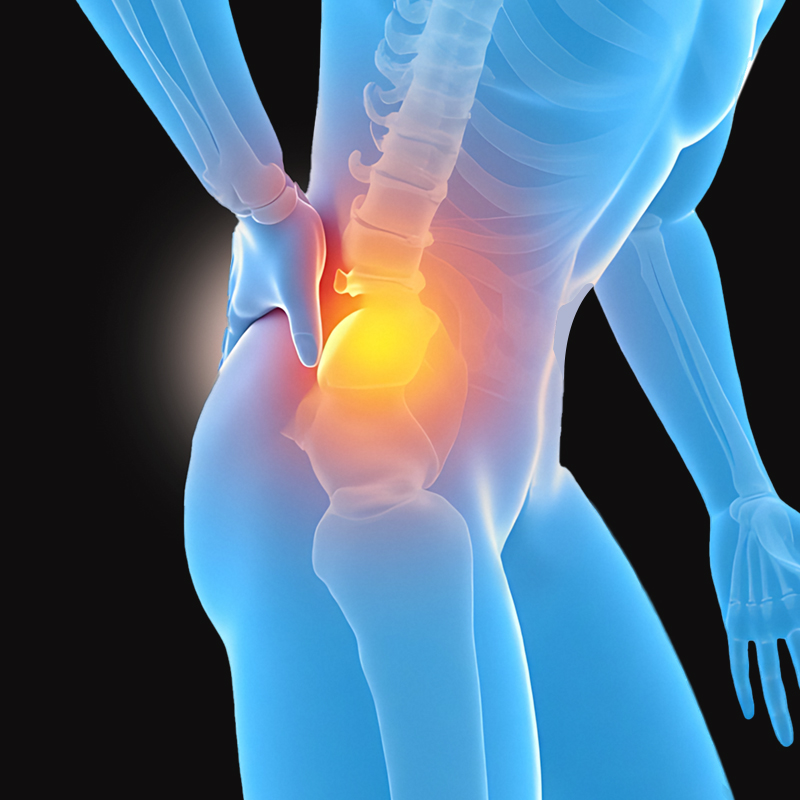
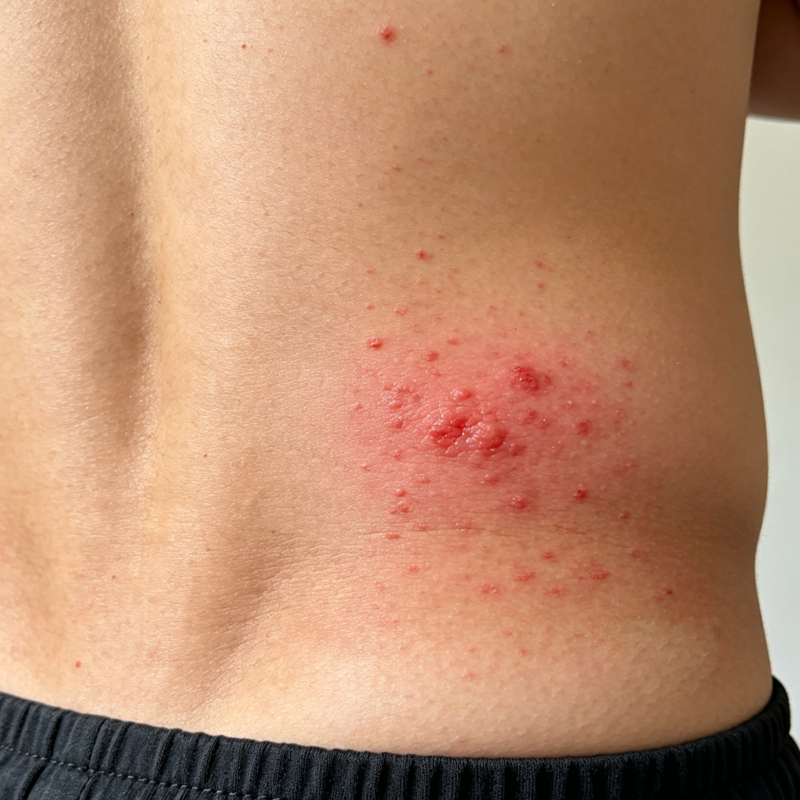
If you’ve ever carried a heavy rucksack, plate carrier, or loaded backpack for hours, you know the familiar pain: narrow straps digging into your shoulders, pressure points forming, sweat building up, and that slow burn that makes every step less fun.
Lately, “air cell,” air-convection, and ventilated honeycomb shoulder pads have become popular upgrades in both military/tactical and civilian gear circles. They promise better weight distribution, less digging, and improved airflow. But do they actually deliver?
Short answer: Yes — for most people, they noticeably improve comfort.
How They Work
Traditional thin webbing or basic foam pads often fail under sustained load. The pressure concentrates on a small contact area, creating hotpots that dig into the trapezius and clavicle. Over time the foam can fully compress (“bottom out”), leaving almost no cushioning left.
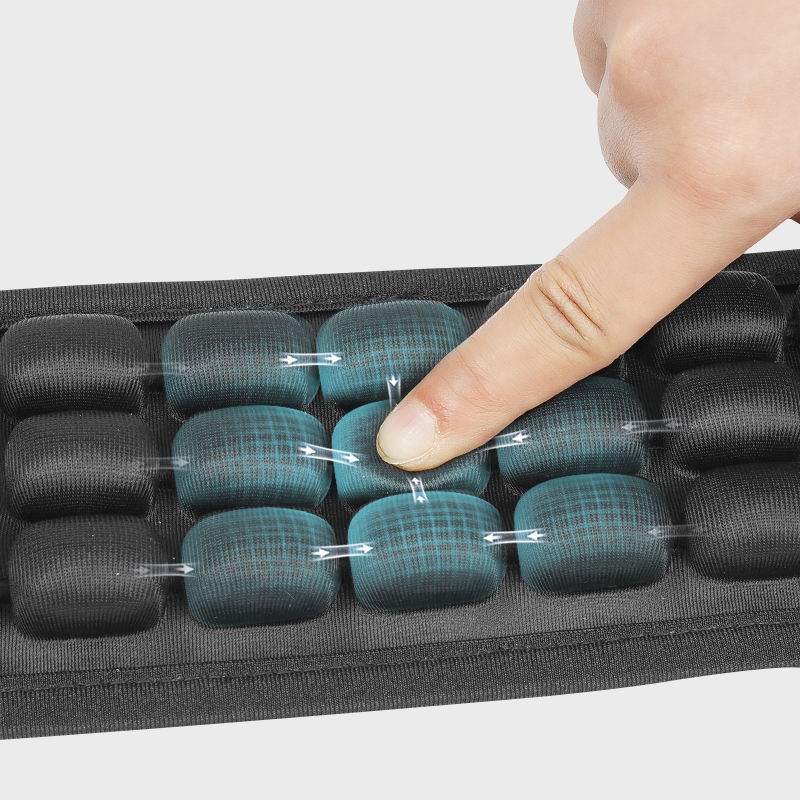
Air cell and honeycomb-style pads tackle this in three main ways:
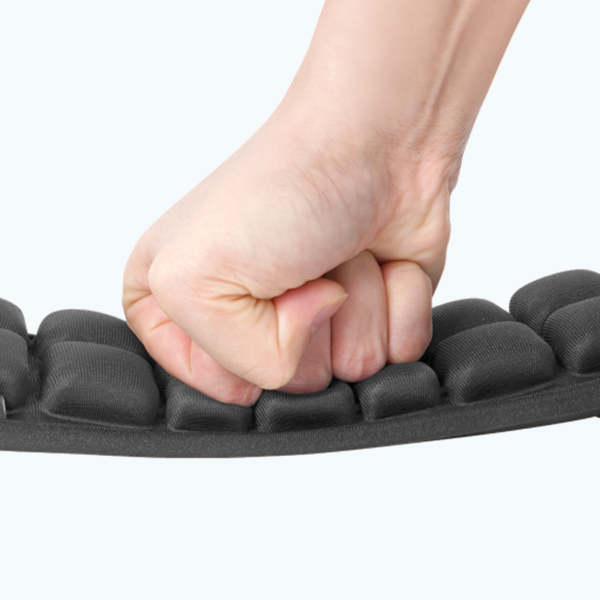
- Better pressure distribution — Independent or interconnected air chambers (or structured lattice designs) spread the load across a wider surface area instead of letting it dig into one or two narrow points.
- Maintained resilience — Unlike cheap foam that collapses, air-based structures keep some thickness and bounce even under heavy weight.
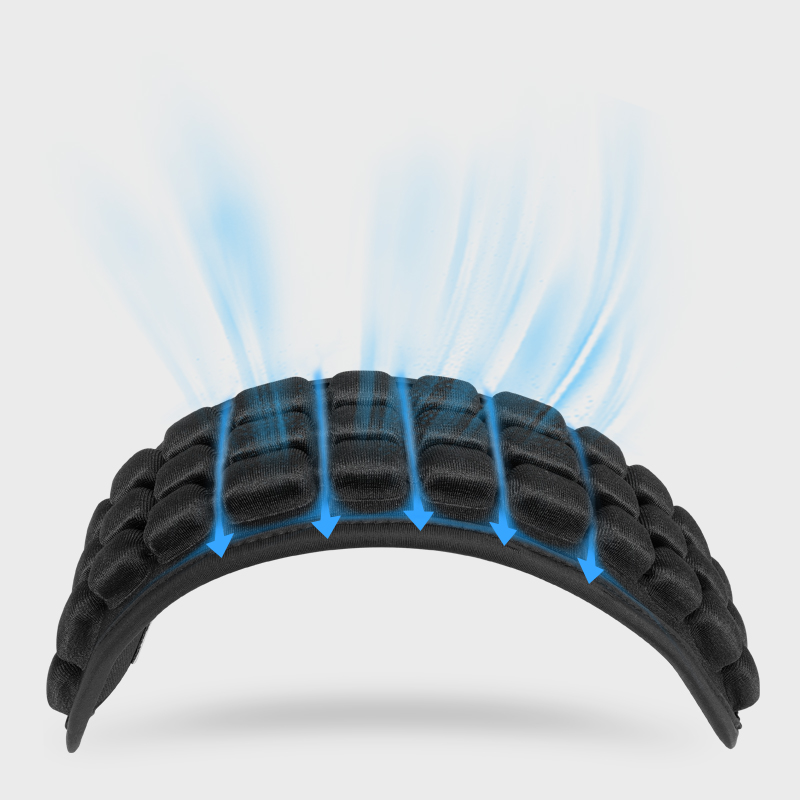
- Improved ventilation — Many modern tactical versions (especially honeycomb/lattice designs) create airflow channels that reduce heat and moisture buildup, lowering the risk of chafing and hotpots.
In simple terms, they reduce peak pressure and keep your shoulders cooler and drier.
What Real Users and Testing Show
Feedback from tactical users, rucksack carriers, and long-haul bag users is consistently positive:
- Less redness, bruising, and sharp pressure points on the shoulders and collarbones.
- The residual fatigue feels more like general muscle tiredness rather than localized “pinching” pain.
- Ventilated designs stand out in hot or humid conditions — shoulders stay noticeably drier.
- Civilian air-cell pads used on heavy camera bags, tool bags, and backpacks get similar reviews: the strap no longer cuts in the same way.
Limited pressure-mapping comparisons and bio-mechanical principles support these observations. Spreading the load and lowering peak pressure reduces the main drivers of discomfort. Some dynamic air systems have even shown benefits for local blood flow.
Bottom Line
If you regularly carry meaningful weight on your shoulders — whether it’s a plate carrier, military rucksack, or heavy civilian pack — a quality set of air cell or ventilated shoulder pads is one of the cheapest and most effective comfort upgrades you can make.
They won’t make a 50+ lb load feel light, but they will make the experience significantly less punishing by reducing digging, hotpots, and sweat buildup. For most users, that’s a clear win.
Choose based on durability, actual load-spreading design (not just thickness), breath-ability, and compatibility with your existing straps. When those boxes are checked, the answer to the original question is straightforward: yes, they really do improve comfort.