JFT SHOK’s air cushion system retrofits any tactical body armor with cooling airflow and blunt trauma reduction. Lightweight, modular, and compatible with NIJ-certified plates.
The Unseen Threat Behind the Plate
For military and law enforcement operators, body armor is a non-negotiable piece of survival equipment. But stopping a bullet is only half the battle. When a ballistic plate absorbs a projectile, the energy doesn’t simply disappear—it transfers to the wearer’s body in the form of Behind Armor Blunt Trauma (BABT) .
Modern body armor has dramatically reduced penetrating injuries, but as coverage improves, the threat of blunt force trauma—rib fractures, internal bruising, and organ damage—remains a persistent and often overlooked risk . According to the U.S. Army Aeromedical Research Laboratory, even when armor successfully stops a bullet, the backface deformation can cause significant thoracic cavity damage, particularly as armor designs prioritize weight reduction over impact absorption
For military and law enforcement operators, body armor is both a lifesaver and a burden. The reality of wearing ballistic protection comes with three persistent challenges:
1.Heavy load on shoulders
causing fatigue, nerve compression, and long-term injury.
2.Impact trauma behind the plate
blunt force injuries from ballistic deformation.
3.Heat stress
reducing performance and endurance in the field.
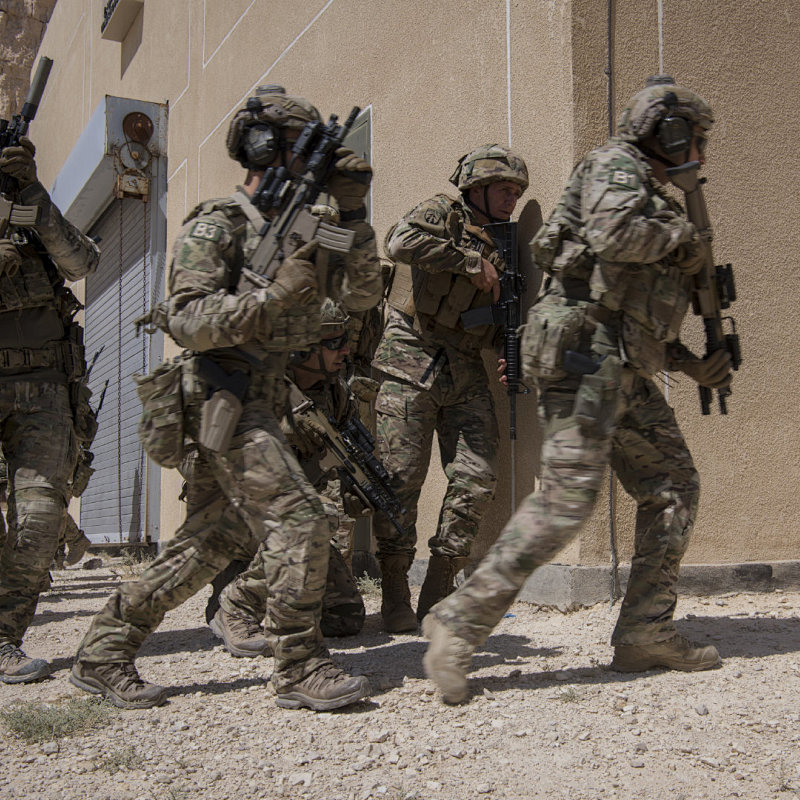
Traditional foam and gel padding materials address these issues only partially—and often one at the expense of another. This is where pneumatic buffer technology offers a fundamentally different approach.
Target Keywords: Behind Armor Blunt Trauma, BABT, blunt force trauma body armor, tactical body armor comfort, ballistic impact protection.
JFTSHOK Tactical Airpad Vest: Redefining Behind Armor Blunt Trauma (BABT) Protection & Load Carriage Comfort
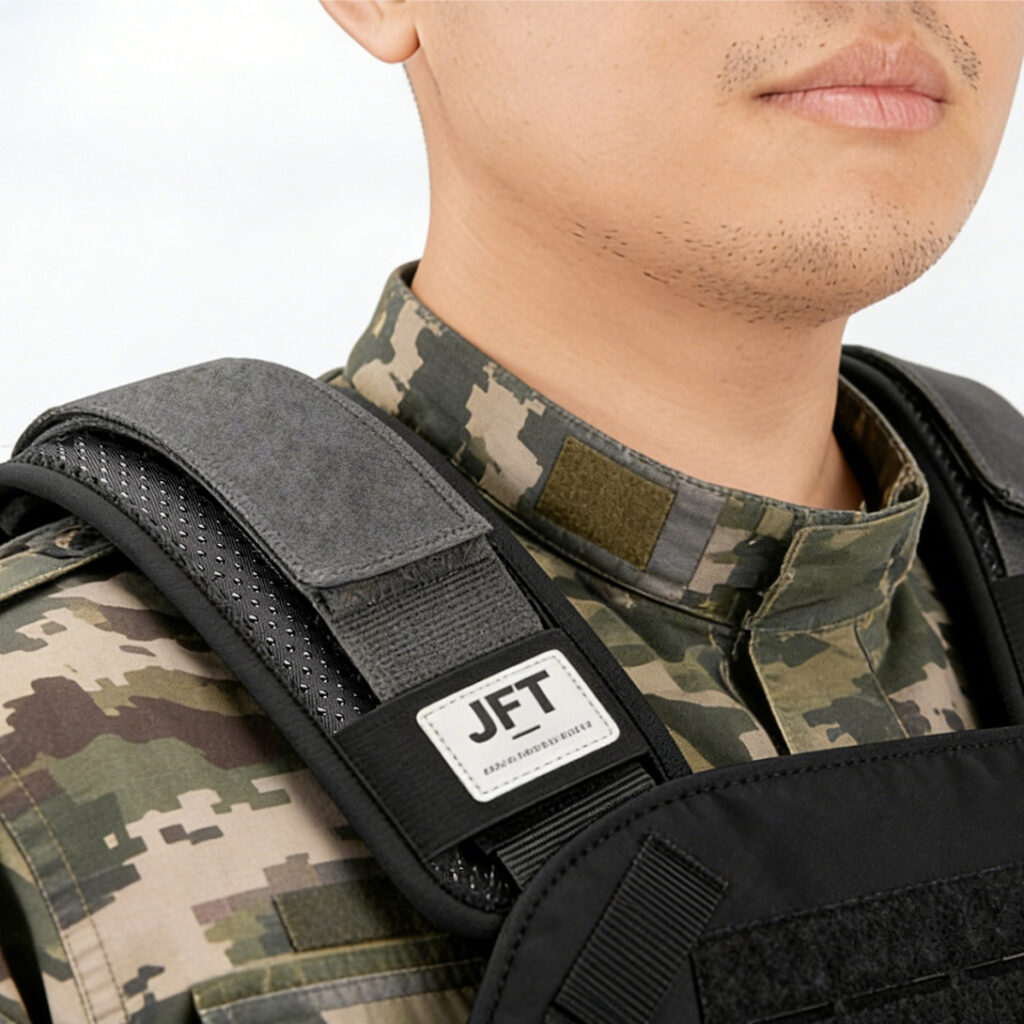
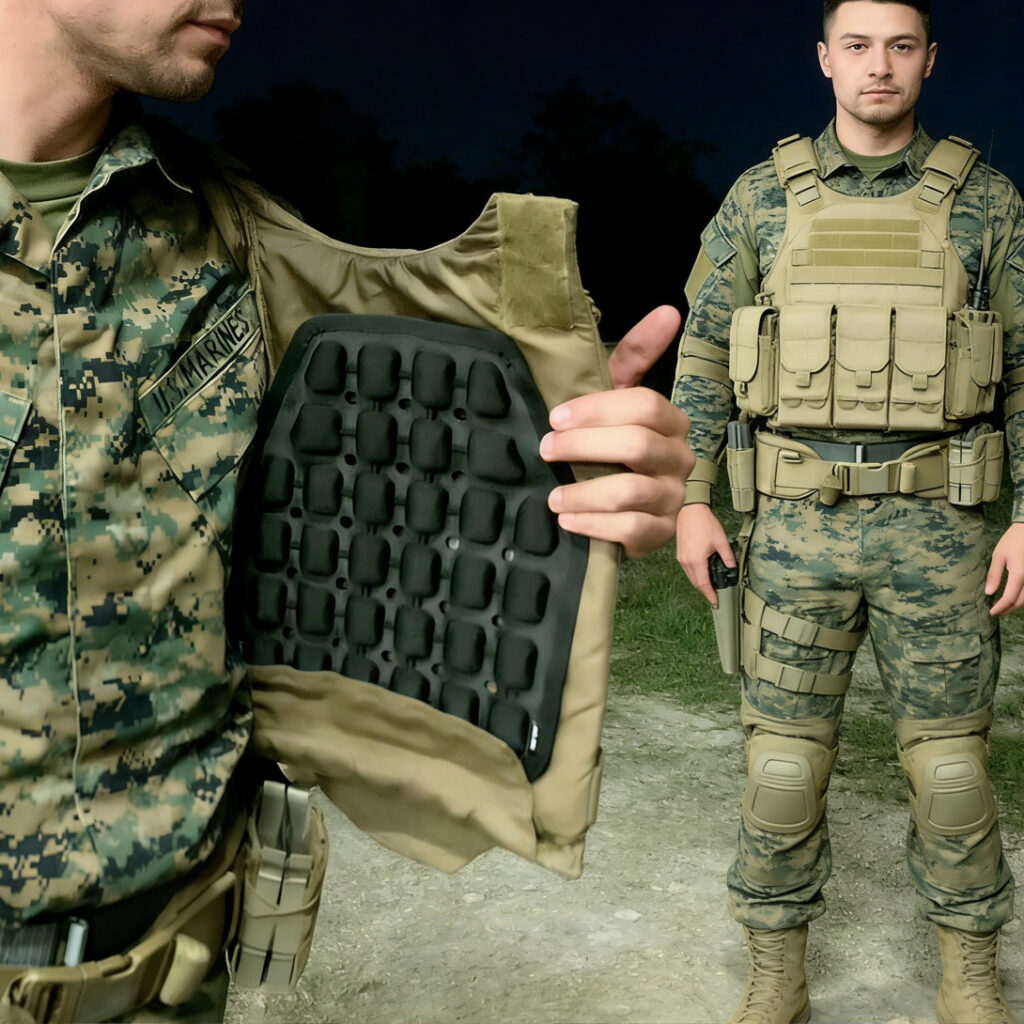
Our system operates on a simple but powerful principle: pneumatic pressure redistribution. When an impact occurs—whether from a ballistic strike or the sustained weight of a loaded vest—the force is transmitted through a network of interconnected air cushions strategically placed at the shoulders, chest, and waist.
Shoulder Air Pads
Distribute vertical load across the entire shoulder contour, reducing peak pressure on the collarbone and trapezius.
Chest Air Cushions
Absorb ballistic backface deformation and disperse impact pressure across the torso.
Interconnecting Airways
Allow air to flow between zones, creating a unified pressure management system.
Bullet impact creates high pressure at the strike point. Air channels instantly spread it across the airpad vest — where larger muscle groups absorb and disperse the force. Result: point impact becomes surface load. Lower risk of rib fractures and internal bruising.
Tactical Value: Why This Matters for Operators
For the end user—the operator wearing the gear—this technology translates into three measurable benefits:
1
Enhanced Operational Endurance
By transferring a significant portion of the vest’s weight from the shoulders to the waist and hips—similar to how a well-designed backpack works—the pneumatic lumbar pad reduces shoulder fatigue and nerve compression. Operators can carry heavier loads for longer periods without the physical toll that traditionally limits mission duration..
2
Improved Ballistic Safety
Independent testing and research suggest that pneumatic redistribution systems can lower peak backface deformation pressure by an estimated 30–50% compared to conventional foam padding . This provides an additional layer of protection for the chest and abdomen—areas where blunt trauma can be particularly dangerous.
3
Thermal Management
Heat stress is a known performance killer. The air gaps created by the cushion structure, combined with interconnected airways, allow for passive ventilation. When paired with optional active airflow modules, the system creates a microclimate that helps regulate core body temperature—keeping operators cooler, drier, and more focused during extended missions.
Application Scenarios
Key Benefits
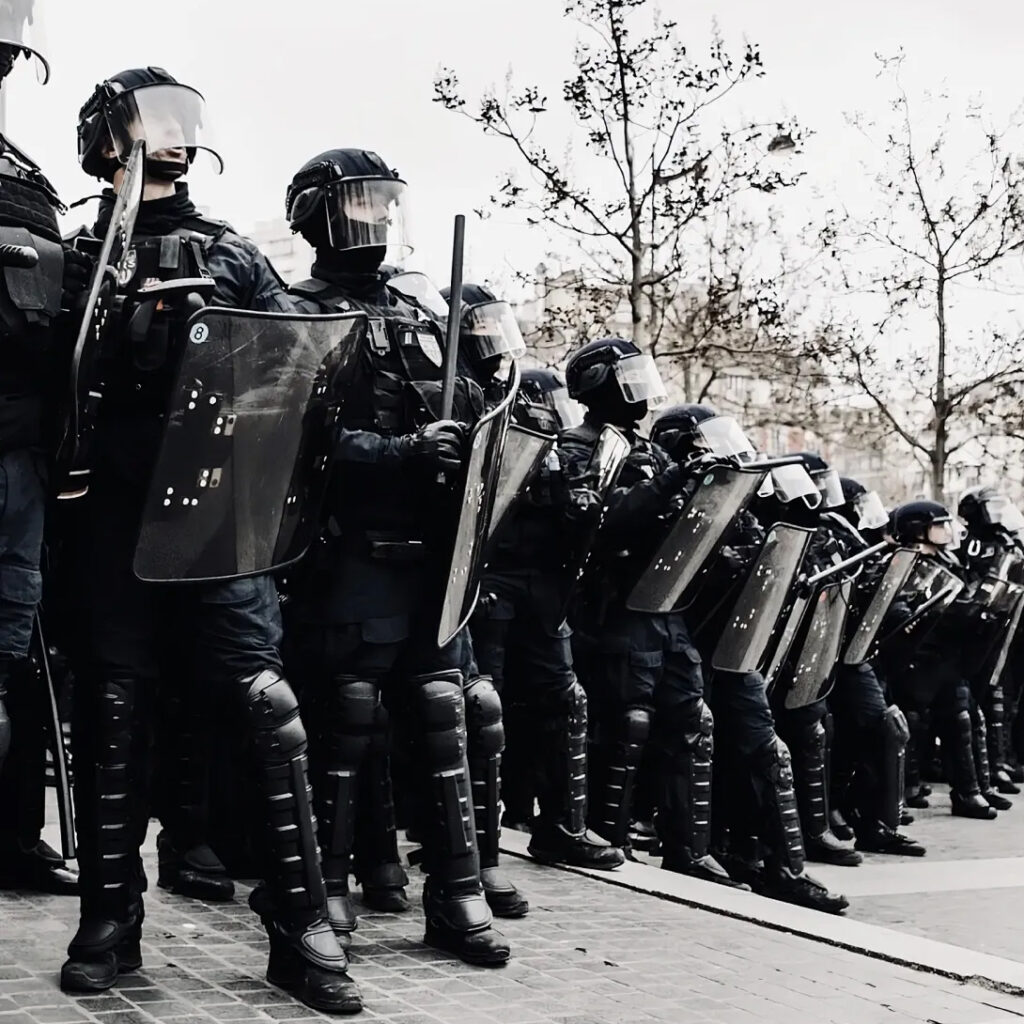
Training environments
Provides repetitive impact protection; reduces cumulative wear and tear.
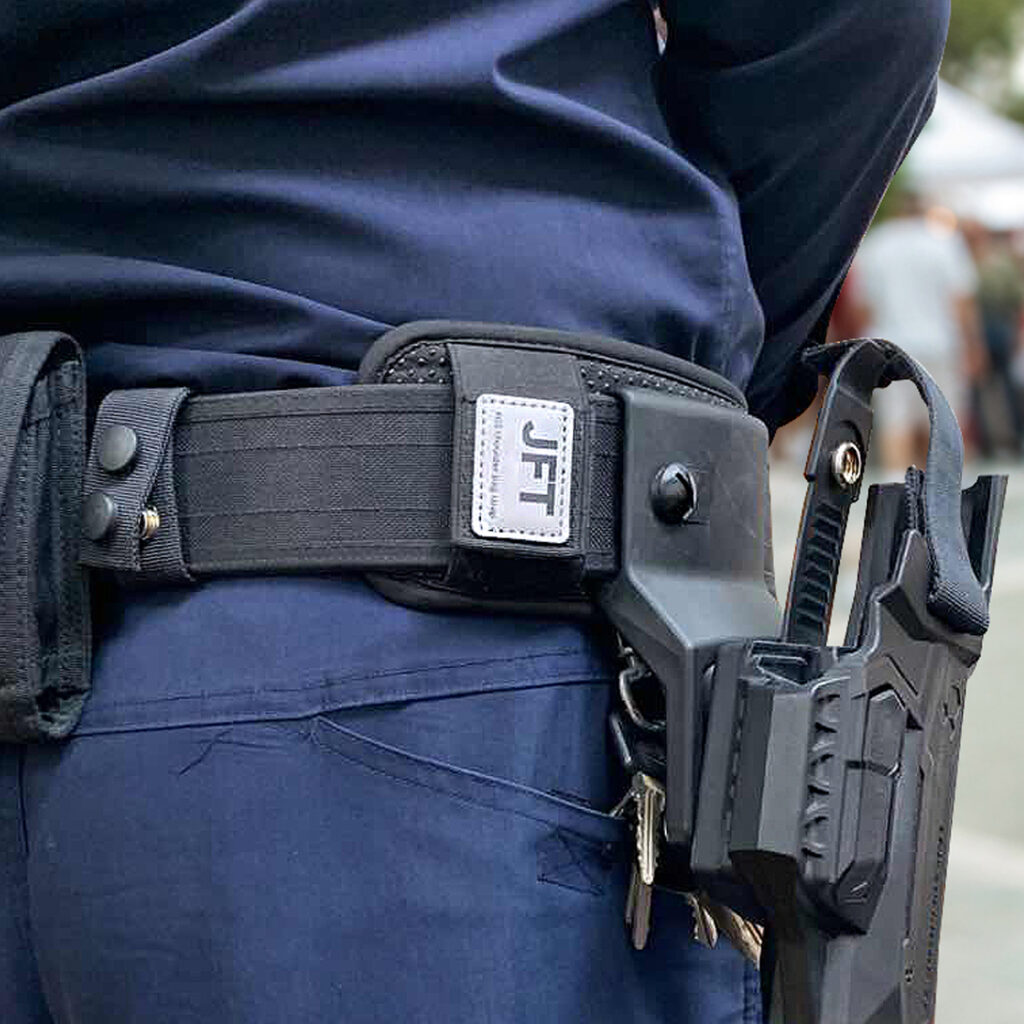
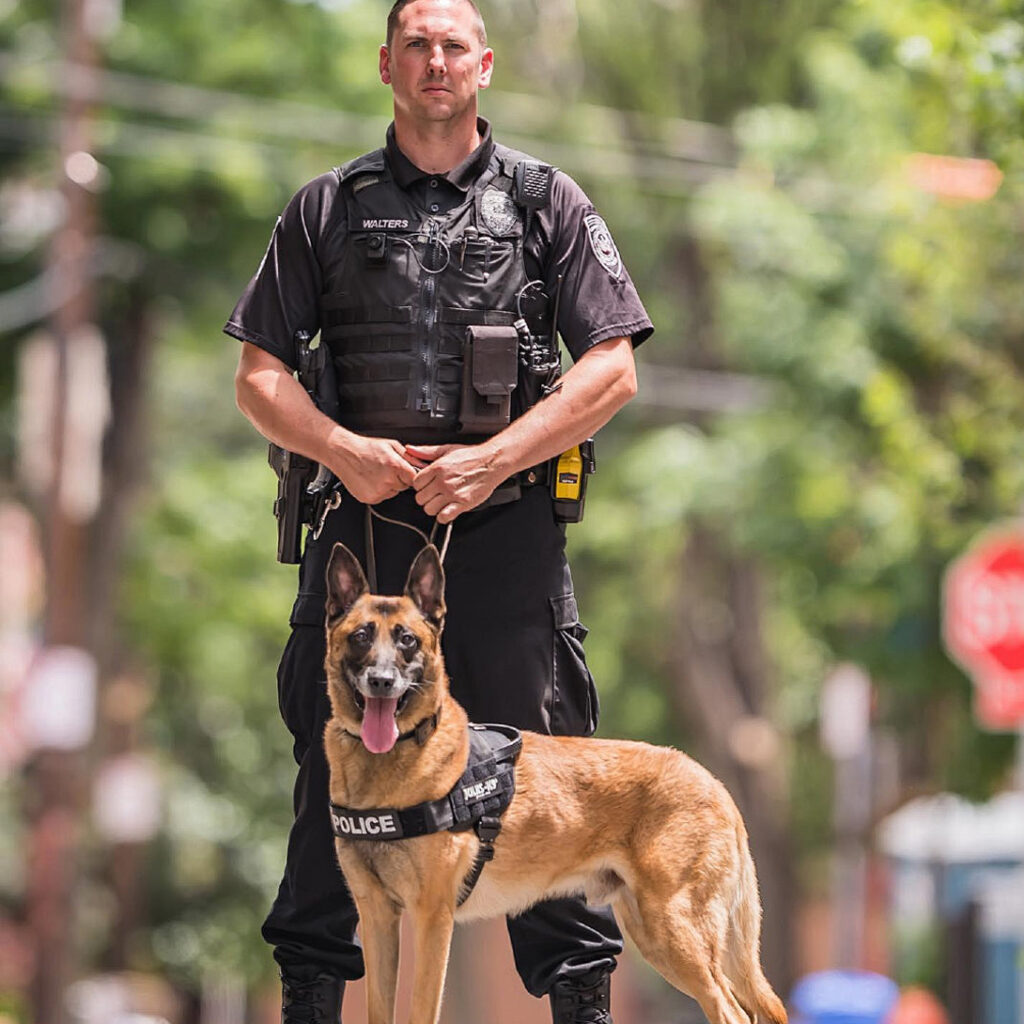
Urban patrol
Lightweight configuration with chest/waist focus.
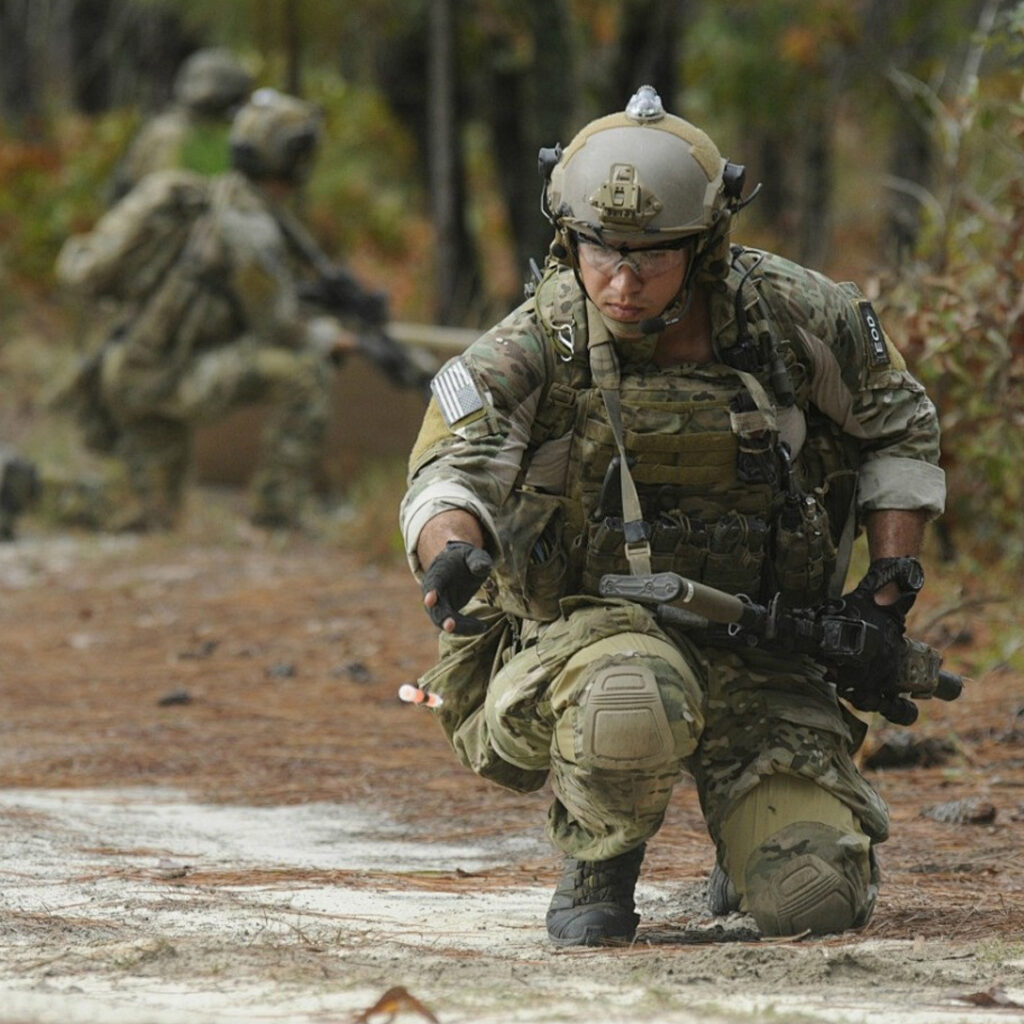
Combat Units
Lightens shoulder load. Eases waist pressure. Keeps you cool. Absorbs impact. One system, four ways to perform better in the field..
Conclusion: The Next Dimension of Ballistic Protection
Ballistic protection technology has evolved significantly—from steel plates to ceramics to advanced polyethylene. But the interface between the armor and the operator has remained largely unchanged: foam and fabric.
Pneumatic buffer technology represents a new dimension in this interface. It treats the operator’s body not as a passive surface to be padded, but as a dynamic structure that can leverage fluid dynamics to manage both sustained load and sudden impact.
For units looking to:
1.Enhance mission readiness through improved comfort and endurance
2.Reduce long-term injury rates associated with load carriage and blunt trauma
3.Improve the day-to-day wearability of protective gear
This system offers a proven, field-ready solution aligned with current research on impact-mitigating materials and behind armor blunt trauma prevention .
As threats evolve and operational demands increase, the equipment that protects those who serve must evolve as well. The air cushion system is one such evolution—turning the interface between armor and operator from a passive buffer into an active, intelligent system.
Ready to Learn More?
Contact us for: